Powder metallurgy is an increasingly popular option in stainless steel manufacturing. It checks three main boxes for engineers and manufacturing in general: strength, precision, and cost-effectiveness. A lot of that is thanks to sintering, a heating process exclusive to powder metallurgy.
Knowing your end goal and understanding how material reacts in each step of the sintering process will help you create a more efficient design, and more importantly, prevent costly rework.
We’ll cover the process of stainless steel sintered metal design and give pointers on how to choose the best material grade and key design considerations.
Overview of the Stainless Steel Sintered Metal Design Process
Powder metallurgy is a multi-step process that forms and bonds loose metal particles together into a solid, hardened shape. The three main steps include:
- Powder preparation: Selecting the right alloy composition for the required material properties and ensuring the powder characteristics like particle size & shape are best suited for the manufacturing process.
- Compaction: Placing the powder mixture into a die and pressing it into shape.
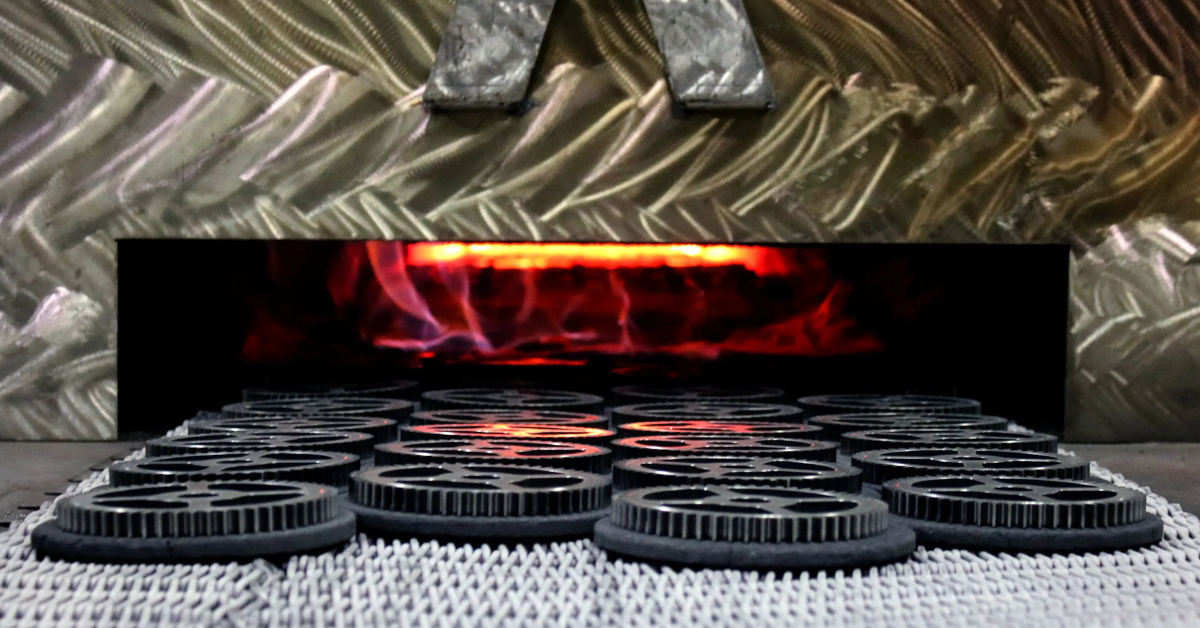
- Sintering: Heating the compact between 2100°F - 2500°F in a controlled atmosphere (depending on the material composition), fusing the metal particles, and creating a strong structure.
Factors Influencing Material Performance in Stainless Steel Sintering Design
When designing sintered metal components, your material choice plays a major role in both performance and manufacturability. Stainless steel offers a good balance of strength and corrosion resistance, but it also introduces challenges, particularly in controlling dimensions and managing shrinkage during sintering. Focus on how to match material characteristics to your application’s specific needs.
|
Material Characteristics
|
Application’s Specific Needs
|
Example of Application
|
|
Mechanical properties
|
Strength at elevated temperatures,
|
Structural brackets and flanges for thermal gas and heat exchanger applications
|
|
Corrosion resistance
|
Must withstand moisture, chemicals, or harsh environments
|
Pump and coupling hardware components are used in industrial, agricultural, medical, household and recreational applications. Structural components for automotive underbody applications.
|
|
Ductility & Impact resistance
|
Material will deform under loading and absorb impact without fracturing
|
Structural components for hand and power tools
|
Post-Sintering Processes With Stainless Steel
After sintering, stainless steel components can undergo additional procedures to further enhance the mechanical strength and precision. While post-sintering processes do add more cost to the production, it can be a fair trade-off with the enhanced properties they add to the sintered pieces. Some examples of post-sintering processes include:
- Machining: Material removal operations, like turning and drilling, are typically used to add features like slots or grooves that can’t be net-formed in the compaction process.
- Sizing: Re-pressing the parts to improve dimensional accuracy and strength.
- Grit Blasting: Closes off surface porosity to improve sealing and corrosion resistance.
- Tumbling: Improves surface finish and smooths sharp edges to give a more polished look.
Best Practices for Cost-Effective Stainless Steel Sintering Design
There are several best practices to follow to get the most value from stainless steel sintering.
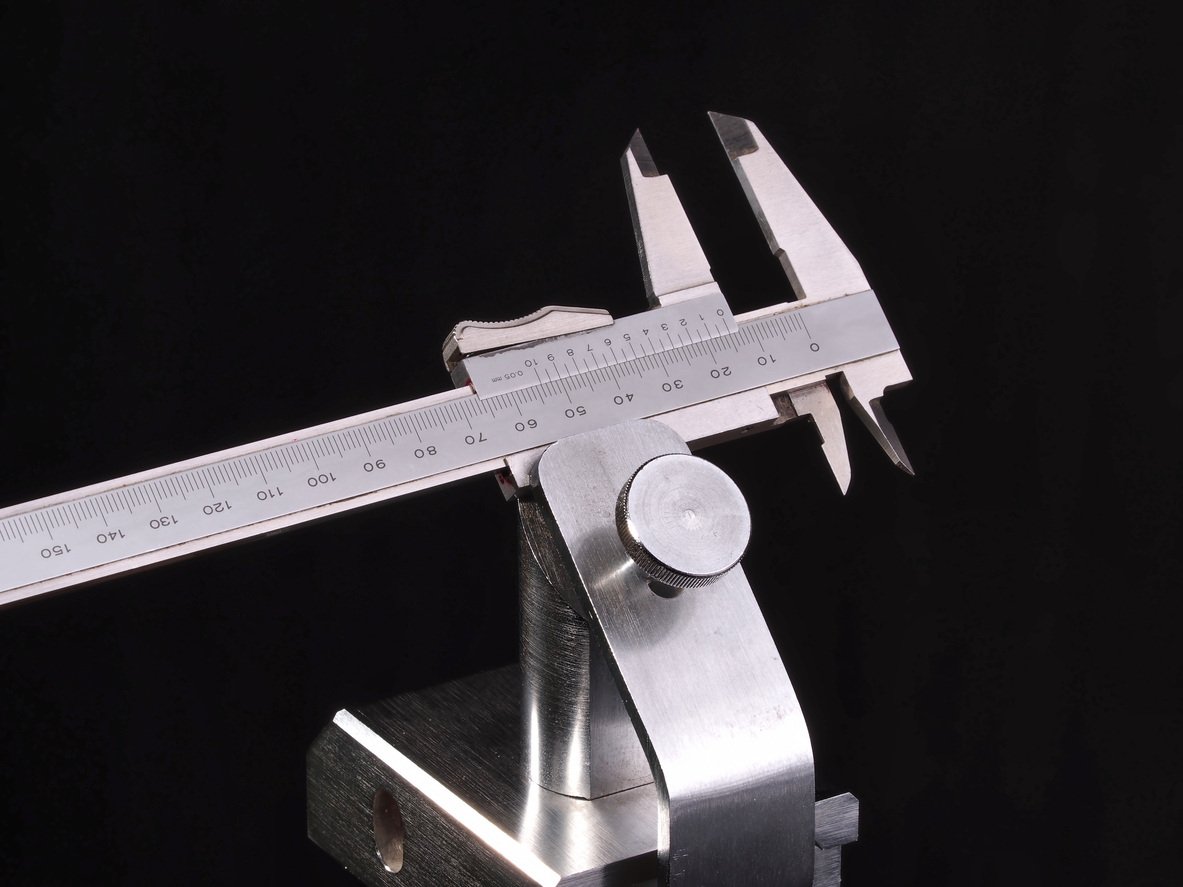
First, keep the material properties in mind during and after sintering to accommodate any distortion or shrinkage, also known as tolerance. This is the allowable deviation from the specified dimension in the initial design.
You’ll also want to collaborate with the manufacturing teams early and often. This ensures that your powder metal design is feasible and that there are no equipment limitations. If there are, a redesign can occur before any money is wasted in the manufacturing process. Plus, having multiple perspectives can lead to more innovative and creative solutions.
Sintered Stainless Steel Design: Next Steps
The powder metallurgy process includes powder preparation, compaction, and finally sintering. Before starting the sintering process, review and refine the design to ensure it’s cohesive with the available equipment and manufacturing capabilities. Plus, be sure to account for any adjustments needed to accommodate inherent characteristics, such as potential shrinkage.
Check out the products Nichols Portland, Inc. has available in our Sintered Metal Division and contact us with any questions.


No Comments Yet
Let us know what you think